
The Importance of Allocating Time for Self Care in Boosting Mental Health
- nikkivs09
- 6 days ago
- 3 min read
Mental health challenges affect millions of people worldwide, yet many overlook a simple, effective way to support their well-being: dedicating time for self care. In today’s busy lives, it’s easy to push personal needs aside, but setting aside moments for yourself can significantly improve your mental health. This post explores why allocating time for self care matters, how it benefits your mind, and practical ways to make it a regular part of your routine.
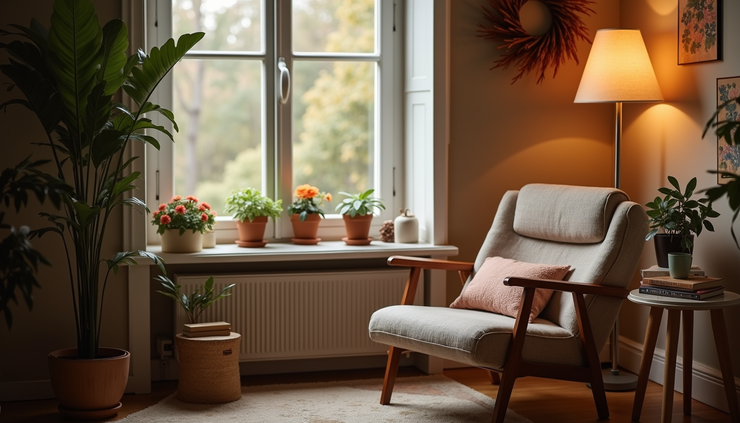
Losing yourself in a book, helps to refresh your mind - supporting your mental health
Why Self Care Is Essential for Mental Health
Self care is often misunderstood as indulgence or luxury, but it is a vital practice for maintaining mental balance. When you take time to care for yourself, you reduce stress, prevent burnout, and build resilience against life’s challenges. Mental health is not just the absence of illness; it’s about thriving emotionally and psychologically.
Research shows that people who regularly engage in self care report lower levels of anxiety and depression. Taking breaks, practicing mindfulness, and engaging in enjoyable activities help regulate emotions and improve mood. Without self care, stress accumulates, leading to exhaustion and decreased productivity.
How Allocating Time for Self Care Supports Your Mind
Setting aside time for self care creates space to recharge your mental energy. Here are some key ways it supports your mental health:
Reduces Stress: Activities like meditation, deep breathing, or a walk in nature calm the nervous system and lower cortisol levels.
Improves Focus: Rest and relaxation improve concentration and decision-making by preventing mental fatigue.
Enhances Emotional Regulation: Self care helps you recognize and manage emotions, reducing impulsive reactions.
Boosts Self-Esteem: Prioritizing your needs reinforces self-worth and confidence.
Promotes Better Sleep: Relaxing routines before bed improve sleep quality, which is crucial for mental health.
Practical Ways to Allocate Time for Self Care
Finding time for self care can feel challenging, especially with busy schedules. However, even small, consistent efforts make a difference. Here are practical strategies to help you prioritize self care:
Schedule It Like an Appointment
Treat self care as a non-negotiable appointment. Block out 15 to 30 minutes daily on your calendar for activities that relax or energize you. This could be reading, journaling, or simply sitting quietly.
Start Your Day with Intention
Begin mornings with a calming ritual such as stretching, meditation, or mindful breathing. This sets a positive tone and prepares your mind for the day ahead.
Use Breaks Wisely
Instead of scrolling through your phone during breaks, try stepping outside for fresh air or practicing a brief mindfulness exercise. These moments refresh your mind more effectively.
Engage in Physical Activity
Exercise releases endorphins, natural mood boosters. Choose activities you enjoy, whether it’s yoga, dancing, or a brisk walk.
Connect with Nature
Spending time outdoors reduces stress and improves mood. Even a short walk in a park or sitting by a window with sunlight can help.
Practice Gratitude
Writing down things you are grateful for shifts focus from worries to positive aspects of life, enhancing emotional well-being.
Overcoming Common Barriers to Self Care
Many people struggle to make time for self care due to guilt, busy schedules, or lack of motivation. Here are ways to overcome these barriers:
Guilt: Remember that self care is not selfish. Caring for yourself enables you to support others better.
Busy Schedules: Start with small steps. Even five minutes of deep breathing counts.
Lack of Motivation: Choose activities you genuinely enjoy. Variety keeps self care interesting.
Feeling Overwhelmed: Break tasks into manageable parts and celebrate small wins.
The Role of Self Care in Long-Term Mental Health
Consistent self care builds a foundation for long-term mental health. It helps prevent chronic stress and burnout, which can lead to serious conditions like depression or anxiety disorders. By making self care a habit, you develop coping skills that improve your overall quality of life.
For example, someone who practices daily mindfulness may find it easier to handle work pressure or personal conflicts without becoming overwhelmed. Over time, these small moments of care accumulate, creating a more resilient and balanced mind.
Encouraging a Culture of Self Care
Beyond individual benefits, promoting self care in communities and workplaces can improve collective mental health. When organizations encourage breaks, flexible schedules, and wellness programs, employees feel valued and supported. This leads to higher morale and productivity.
At home, families can model self care by sharing activities like cooking healthy meals together or setting aside tech-free time. These practices foster connection and emotional safety.
Allocating time for self care is a powerful way to nurture your mental health. By intentionally setting aside moments to relax, reflect, and recharge, you build resilience and improve your emotional well-being. Start small, be consistent, and watch how these efforts transform your daily life. Your mind deserves this care—make it a priority today.


Comments